Categotry Archives: Uncategorized

by

Building Bonds and Breaking Cliques at Loon Lake

No comments yet

Categories: Maker, Uncategorized


Introduction:

Last week, our class went on a five day field study to Loon Lake, filled with team-building exercises, outdoor challenges, and reflective activities. If I’m being honest, I went into this trip with not a lot of optimism. The main reason I went was because my friends were going, and I wasn’t under the impression I would truly learn anything useful. I quickly realized that through the activities and discussions we did, there were not just fun, but about learning to trust each other, communicate openly, and appreciate the strengths each person brings to the group. Because of this experience I feel much more connected with my class, and I even learned more about myself.

Revisiting My VMV:

My experience at Loon Lake connected closely with my vision of becoming a confident and adaptable learner. Exercises like trust falls and building huts in the forest pushed me to try new things and step outside my comfort zone. My mission to grow my confidence and independence was supported by the talks with Jhonno and the various team building activities, which encouraged me to speak up, trust my classmates, and take initiative. I could see my values in action: collaboration and communication were essential during group challenges, and creativity and critical thinking helped our cabin design posters for the ending exhibition and solve tasks efficiently.

Meaningful Moment:

One moment that really stood out to me was during the talks with a inspiration man named Jonothan Willcocks. One exercise we did was trust falling. Seeing everyone catch each other, both physically and emotionally, showed me how much our class had bonded. A lighter, fun moment was when my cabin was goofing around, taking photos, and listening to Christmas music. I’d say the girls in my class are already very connected so hanging out like this was something that came very naturally. Another unforgettable moment happened at the disco party. Our grade 10 class wasn’t afraid/embarrassed to dance and have fun, and we helped the grade 8s join in by starting a huge conga line. This showed me our unity and how much we had grown as a team at Loon Lake.  

Reflecting on Strengths and Challenges:

During the field study, I felt strong in trying new activities and being open to learning. I pushed myself in trust exercises and group challenges even when I was nervous. However, I struggled with the packed schedule, because it left very few quiet moments, which made it harder to focus and recharge.

5-Day Action Goal:

Over the next five days, I want to continue building the teamwork habits I strengthened at Loon Lake. My goal is to actively help my classmates during group activities in class, just like we did during exercises. I will track my progress by reflecting each day on one thing I did to support the group, whether it was listening, helping, or encouraging others.

Big Takeaway:

The Loon Lake field study taught me how valuable connection and teamwork are, both in learning and in life. I feel more confident in myself as a learner and more connected with my classmates as a community. These experiences will stay with me as I continue to grow academically, socially, and personally. 

by

Vive Les Machines À Métaphores❄️ Winter Exhibition ❄️

No comments yet

Categories: Humanities, Uncategorized, Winter exhibition, Tags: , , , , ,


Intro

Welcome back! It’s been so long, but I’m here to talk about the Winter Exhibition, what led up to it and the “Vive Les Machines À Métaphores” project as a whole! In this project we learned that factors precipitate revolution and that  they have shaped the modern world view. There was so much that went into all of this, starting off with the book Animal Farm, by James Orwell. Let’s get into it!

Reading Animal Farm

Animal Farm is a representation of the Russian Revolution, and since later on we would be making metaphor machines BASED off of revolutions this was a very informative book to read and gave me a lot of perspective on revolutions.

Each character in the book has specific people they were based off of, for example, Old Major represents Karl Marx, Snowball represents Leon Trotsky, Napoleon represents Joseph Stalin, Squealer represents propaganda, and Boxer is a representation for all the Russian labourers and workers. This information isn’t 100% important to the blog since I know not everyone reading this has read the book, nonetheless it’s still good to have!

Note Taking

While reading Animal Farm I made sure to make many notes, whether that was general observations from the book, or if I was making connections to the actual Russian Revolution (which comes in handy later on…)

There was a LOT of not just note talking in this book. Every few days, we would do chapter overviews with the class, and everyone including myself, made discussion questions to ensure everyone knew what was happening in the book.

In addition to this, I made sort of character cards for all of the important characters in the book as well as the roles they played.

My animal farm note taking: https://s.craft.me/OaMYkzVwMyUtO4

Cranes theory

The largest and most important part of this note taking was learning about cranes theory. This consisted of his definition of a revolution and all of the stages in one. A revolution is made up of four stages, incubation, moderate, crisis, and recovery. Learning all of these stages helped quite a lot when I made the infographic, which was an explanation/run through of the book and which parts fit into which stages of a revolution. (It’s mentioned more in depth later)


Animal Farm infographic:

This is my infographic of Animal Farm after a few revisions, and I’m quite proud of it!


Russian revolution


Choosing My Revolution

Everything I did for note taking in the Animal Farm project, including the infographic I’m going to be doing AGAIN! However, this time I would be researching a revolution! I needed to choose my top three out of 5 revolutions, and then I would be sorted into a  revolution group. My top three choices were Russian, French, and American. In the end I got the Russian Revolution! I was sorted with a few other people who would be my group members for the rest of the project.


Researching the Russian Revolution

Everyone in the class, no matter what group, individually researched their revolution before coming together with their group. To have a full understanding of the Russian revolution I made a timeline, overview, researched important people, and made notes on each stage of the revolution. Most, but not all of what I did was necessary, however I know my learning style and doing the amount of research and the way I did it helps me understand the project.

All of my research on the Russian revolution, timeline, cranes theory etc is here!

Link to all my research:  https://s.craft.me/Rxpob0aRoDRv0o


Russian Revolution infographic:

After researching our revolution, we were tasked with creating an infographic, similar to the one we made for Animal Farm. Once each group member completed their individual infographic, we combined our knowledge and design skills to create one final, refined version. The layout closely resembles my original design, so I decided to showcase this final infographic instead.


What is a metaphor machine/Rube Goldberg machine?

A metaphor machine and a Rube Goldberg machine are very similar.

A Rube Goldberg machine is a complicated machine or contraption designed to do a very simple task. It uses a chain reaction, where one step leads to another, like dominos falling or a ball rolling, to complete the job. For example, instead of flipping a switch directly, the machine might use a ball, a pulley, or something along the lines of that to make it happen. It’s named after Rube Goldberg, a cartoonist who drew funny, overly complex machines.

Now, a metaphor machine is the same thing, however each or most actions represent something. For example, since my machine was based off of the Russian Revolution, the actions were based off of certain events in that revolution. It’s a creative way to show an idea using actions or objects!

Action Script (planning the exhibition)

This was pretty early in the planning process, so lots has changed! My group and I made a planning document, consisting of ideas for each stage. Here it is!

Document: https://s.craft.me/mYVZkujWXv6Tbj


Teamwork Problems

Okay so…. I think the contributions leading up to the exhibition were pretty uneven.🥲 Throughout the project I felt I was doing most of the work. This isn’t directed at the whole group, and even so, everyone I worked with was WILLING to help, however I felt like most of the time I had to tell them exactly what to do for it to be done. Again this isn’t true all the time or for everyone, however some group members weren’t very good at giving larger contributions without support. Because of this I guess I felt the need to take the leadership role, or be more bossy? Honestly this wasn’t something I enjoyed doing, and keeping people on task and being bossy isn’t much fun. Looking back, a lot of work was done at later dates rather than earlier ones, and it caused a lot of stress leading up to the exhibition.

Some of this was bad luck, like one of our group members calling in sick day of, or another group member that was gone the first week and a half, or that we had no backboard for the first week, unlike or fellow class mates.😅 USUALLY, I’m very organized, but since I couldn’t count on EVERYONE it was a lot harder. Moral of the story, you need everyone to put in a 100% for it to go smoothly. Yapping about what sucked isn’t helpful though… and this is a reflective blog post so I should.. well.. reflect!

This experience taught me a lot about teamwork and the importance of balanced contributions. While I stepped up as a leader when needed, I realized how stressful it can be to take on too much. Next time, I’ll work on setting clearer expectations with the group early on and assigning tasks more effectively to ensure everyone is equally involved. I also learned that starting earlier and having a backup plan for unexpected challenges, like absences or missing materials, can help prevent last-minute stress.

How the exhibition went

The 2-3 hours before the exhibition were VERY VERY VERY CAPITOL V, STRESSFUL. This ALSO includes the whole day leading up to it! It was stressful for all the reasons I said before of course, but 2 very important actions of our machine were left to the last second, and the mechanics for them were not planned to the best of our abilities. That day, every chance we got, including lunch, one group member and I as well as a wonderful friend, worked on it. The last 2-3 hours of prep time were very stressful. Thankfully, the machine worked in the end, but unexpected changes were being done last minute, and well, it wasn’t as perfect as I strived it to be. I’m really proud of myself for problem solving in the end though, despite everything. The actual exhibition was great to my surprise! Not because it was perfect, we didn’t always get good runs but we knew what we were talking about and were confident explaining our machine to the audience. In short, we had fun! We served root beer (representing beer) and pretzels, which represents the food Czar Nicolas 2nd served at his coronation. At the very end we all felt relieved, and happy after the stress, and now we had the night to rest! Here are videos and photos from the day of! (Some of these are preparation videos)


Trial run video:

IMG_1023


5 seconds after everyone finished presenting….


IMG_8506 IMG_8506 IMG_1047


My response to the driving question

The driving questions for this project was “What Factors Precipitate ‘Revolution’ and How Have They Shaped the Modern World?” Revolutions happen when people become discouraged by existing conditions, for example poor working conditions or food shortages. When their basic needs or rights aren’t met, people push for change!

For example, the Russian Revolution got rid of a strict monarchy that had been ruling forever, and replaced it with communism. This changed how politics and economies worked, not just in Russia, but all over the world.

Conclusion

The “Vive Les Machines À Métaphores” project was a challenging but rewarding experience that taught me so much about revolutions and their impact on the world. From reading Animal Farm to researching the Russian Revolution and building a metaphor machine, I learned so much! Despite the teamwork challenges and last-minute stress, I’m proud of what my group and I accomplished, and the Winter Exhibition itself turned out to be a success.

This project gave me valuable lessons in collaboration, leadership, and problem-solving under pressure. Looking back, I can see how much I’ve grown from this experience, and I’m excited to carry these lessons into future projects. Thank you for reading my blog you absolute diva💜 I hope you enjoyed it, and stay posted to see what happens next😨

by

🌊My “Take Your Kid to Work Day” Experience!🌊

No comments yet

Categories: Uncategorized, Tags: , , ,


Intro

Everyone in my grade had the day off to visit and learn about their parents work, for “Take Your Kid to Work Day” or TYKTWD! However, my two friends and I aren’t interested in what our parents do (they work from home) so we decided to do something else! Read more to find out…

Where I Went

Like I mentioned before, I didn’t watch my mom work from home because that’s low key boring.. I went to the Seymour Salmon Hatchery, and worked as a volunteer, shadowing one of the workers! This was especially interesting for me, since I love marine biology. Therefore, this experience gave me an opportunity to see AND try a different areas of marine biology, that I haven’t thought about before! 🐟

My Favourite Parts

Honestly, every part of my day was interesting, new, and fun! I really enjoyed population counting which was when we put on waiters and did a salmon check throughout the creeks and rivers. I was in change of note taking, and checking off the different sections. For example, I would take certain notes if the salmon was wild or hatchery, (we could tell by the clipped fins) or the gender. In addition to this, I LOVED getting the salmon from out of the tubs with nets, to see if they were ready to spawn. I was pretty bomb at this. 


Something I learned!

I’m passionate about fish and marine biology, but I knew almost nothing about salmon hatcheries before this experience… so everything was a learning experience! I got to see the entire process of fertilizing salmon eggs firsthand. We began by selecting adult salmon ready to spawn, then gave them a hard knock on the head to stun them. One of the workers the cut the main artery and we let it sit in a bin too bleed out. Later, I had the role of holding them head-up over a clean bin, while my friend Emilia carefully made a large cut to release the eggs. After that, we mixed in the male’s milt for fertilization, soaked the eggs in a safe cleaning solution, and finally placed them into incubation. Working and learning at this salmon hatchery had so many fascinating aspects that made it very unique and engaging. My day was packed with new interesting things, hands-on learning, and overall I thoroughly enjoyed every moment!

  Retrieving the Salmon From the Bleeding Process:


Extracting the Eggs:


Mixing the Milt with the Eggs:


Using the Cleaning Solution:

How This Helped

The purpose of “Take Your Kid to Work Day” (TYKTWD) was to help us see if a certain workplace matched our interests and to get a sense of how different work environments operate. Visiting the salmon hatchery did exactly that! I was already excited about it because I’m interested in exploring various areas of marine biology. Having several fish at home, I’ve always been fascinated by aquatic life, and this experience deepened that interest even more.🌊 


Youtube Video:

By the end of my experience I made a short video sharing my experience with the public! If your interested in checking it out, click on the link below.

Link: https://youtu.be/9eoiar9mKKQ


Email

Later on, I sent a thank you email to Megan, the person I was shadowing on TYKTWD. This is the Email I sent.


Conclusion 

Overall, my “Take Your Kid to Work Day” at the salmon hatchery was an unforgettable experience! Not only did I get to learn more about marine biology and see a different side of it, but I also got to experience hands-on work. Each part of the day was exciting, and gave me a real glimpse into the world of marine biology and the important work done at hatcheries. Thank you for reading about my experience, and stay tuned for future posts!


by

My T-POL!!!

No comments yet

Categories: Humanities, Uncategorized, Tags: , , ,

T-pol

Introduction 

“Wow, It has been quite a year! I’ve learned many new things, some I enjoyed, some I didn’t. Although this year is coming to an end I’m exited to share my experiences with my friends and family later on. This is my T-pol, transitional presentation of learning, lets get started.  

Declaration of Learning (basically a cult speech) 

“Thank you for coming to my presentation of learning. I am the expert on my own learning. I am also responsible and accountable for my own learning. You can expect me to give an honest evaluation of my progress. We will discuss my strengths and opportunities for growth. Thank you in advance for listening and for offering feedback that I can use to improve as a learner.

My growth as a learner:

The first thing I’m going to be talking about in this section is humanities.

Humanities

Reflecting on my humanities class, I’ve experienced significant growth as a learner. The example I want to use for this this is the Oregon trip.  

The Oregon trip

Even though it was a very fun experience we had many things planned throughout the day. This isn’t to say thats a bad thing, however it was a lot! Our learning and trips needed to be documented on the adventure book and since we did so many things on the Oregon trip, the work piled up pretty fast! Iv’e always been good at time management but usually getting assignments done meant not taking my mental health into consideration. Through the Oregon field study I am proud to say I’ve overcome this! I had a great time and still got all of my worked done. None of it was rushed and I’m proud of the overall aesthetic and outcome. Of course, like anything, not all of the fun things were in the same spot, therefor lots of driving was happening!🚍 this is when I got most of my work done. On top of that, I still ended up sparing times for chats with friends, movies and naps on the car rides, so i’m pretty proud of myself! You should also know I NEVER nap so this is a big deal for me.


My Adventure Book:

https://read.bookcreator.com/649bnmuNfzYQ7EX98xwuds4pfFF3/x79my59MTKuSidyMpOYtYg


When we got back from the Oregon trip almost everyone had a revision, including me! That doesn’t mean we did a bad job though, there were just small details that could have been added. I have revised my Adventure Book based off of the feedback I received, and I’m waiting for a mark from my teacher! I was and still am extent, a person that doesn’t like revision and just enjoys getting things over with even if the grade isn’t the best. However, not just in the Oregon trip but being in PLP as a whole had helped me grow on that. I’m going to continue to work on accepting feedback And knowing that I won’t always get things perfect on the first try, because everyone learns by making mistakes! 

Science

I really enjoyed PLP 8 science throughout the entirety of this school year! There weren’t really any downs with science, and overall, I learned quite a lot! For example, in the project “Small but Mighty,” I gained a greater understanding of cell biology. I discovered how cells function and interact within living organisms, which was fascinating. The Small but Mighty project had a few assignments within it, but the one I would like to talk about revolved around collecting samples of places in the school I thought would carry germs. I collected samples from two water fountains in the school, both in completely different areas, to examine the difference in quantities of the bacteria.

 This project helped me appreciate the complexity of life at the microscopic level and how dirty the school actually is. Once my field journal was done (this is where I was writing my observations) I got some feedback and was able to accept it and revise based on the feedback I got! Like I said before, I think I’ve gotten better at receiving feedback and moving forward with the new knowledge gained.


Feedback Voice Note :

RPReplay_Final1718415501

In addition to becoming better at receiving feedback, I continue to build  upon my strong work ethics in completing assignments on time and using my time wisely without overworking myself. For example, when we had the in between car rides on the Oregon field study, I used that time to get my assignments done or at least get a manageable start on them. By taking advantage of this time, I was able to maintain a balance between my academic responsibilities while still enjoying the experience to the fullest of my abilities. Time management is a critical skill that will be very important as I move forward. This trip helped me gain a greater understanding and value of using the available moments I’ve been given wisely.

An area for improvement 

I’m writing about my area of improvement in this science section, but if I’m being honest it’s relevant in all my classes. Self doubt is something I’ve been trying to work on the past few months and is something I’m going to try and focus on next year. This topic is going to come up later since it’s a part of my everyday life. Even when I know I know the answer, I still don’t trust my judgement that I am correct. This has also been brought up by my peers and teachers. In the future I’m going to try and work on trusting my gut and knowing when I need to ask for help or when I can just believe in myself.

My Self Assessment For The Success Behaviours 

#1 Accepting Feedback

I’ve always been okay at accepting feedback. Not amazing, not horrible, just neutral. However, since a large part of PLP revolves around revision, i’ve gotten quite good at it! At the start of this year I DESPISED revision of any sort! I would have preferred to just get it done and over with even if the grade wasn’t very good. As this year has continued I realize how important revision actually is. I’ve handed things in before thinking they’re at the best of my abilities and gotten so much helpful feedback that I wouldn’t of noticed otherwise. In my previous school years the only feedback I would receive would be given after the grade was handed out, so there wasn’t much I could do about the outcome. I am proud to say, thanks to PLP, I’ve become an expert at accepting feedback. (not to say I’m perfect, because if I’ve learnt anything, its that theres always room for improvement. 

#2 Resilience 

Resilience or persistence is something I try to have constantly. It’s something I’m monitoring myself on. When I’m faced with more significant challenges or setbacks I tend to get overwhelmed and instead of seeing what I could do to fix whatever problem is at hand, I struggle to see the big picture and my brain is just clouded with doubt. Moving forward I’m going to try and work on this by breaking down challenges into smaller, manageable steps. I’ll focus on what I can control and take one step at a time. By setting small, achievable goals, I can build confidence and reduce feelings of being overwhelmed. I’ll also remind myself to take breaks when needed and seek support from others when I feel stuck. This approach will help me stay clear-headed and continue moving forward, no matter what challenges arise. 

#3 Contributions 

Throughout this year, I have actively participated in discussions and activities, both in and out of the classroom. I consistently contribute ideas to group work and discussions, ensuring that my input helps to drive our projects forward. I engage with my peers, listen to their perspectives, and collaborate to develop creative solutions. For example, in the spring exhibition I tried to make sure everyone stayed on task not only at the exhibition but also leading up to it. This ensured that the exhibition ran smoothly and everyone’s stress was lowered, even if it was just by a little bit.  My involvement has enhanced my own learning experience as well as positively impacted the outcomes of our group efforts.

Something I Succeed In

Something I succeed in is organization.  At the start of September we were introduced in an app called “Things.” This has helped me tremendously with staying on task with my work in or outside of school. When my life outside of school is “well organized” its a lot easier for me to focus on school. This could mean simple things like having a clean room or having scheduled times to get my things done. For example, I clean my fish tanks every week on Saturday around 11AM. I don’t plan anything at that time because I know thats something that needs to get done every week. With this routine, I’m able to have a less stressful life overall and still leave room for fun, like hanging out with friends.


My Intentions for September/What I can Improve on

As you may have remembered, I mentioned earlier something I wanted to work on. In September, I intend to trust my own knowledge and abilities more fully in my schoolwork. I often doubt my answers and seek help even when I know I’m capable of solving the problem independently. To improve, I plan to remind myself that I have the necessary skills, recognize when I’m asking for help out of self-doubt, and regularly reflect on my progress. By focusing on these actions, I aim to reduce unnecessary dependency on others, demonstrate my true potential, and strengthen my self-confidence!


Conclusion

In reflecting on this past year, it’s clear how much I’ve grown both academically and personally. From mastering time management and revision in humanities, to developing a deeper understanding of science, I’ve gained valuable skills and knowledge. The Oregon trip and various projects have shown me the importance of balancing work with well-being, and how feedback can be a tool for growth rather than a setback.

In terms of my personal development, I’ve learned to better accept feedback, build resilience, and make meaningful contributions to my group projects. Moving forward, my goal is to trust my abilities more and rely less on seeking validation from others.

As I step into the next chapter of my learning journey, I’m excited to apply these lessons and continue growing. Thank you for taking the time to listen to my presentation and for your support throughout this year. I look forward to the challenges and opportunities that lie ahead!

by

My Radical Poems

No comments yet

Categories: Humanities, Uncategorized, Tags: , , ,

My Radical Poems


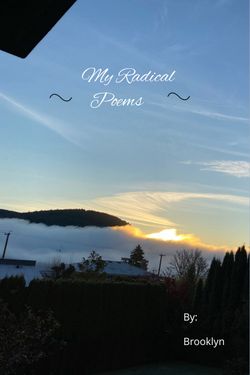
My Radical Poems


The driving Question

The driving question for this project is “how might I write poetry that I enjoy and show who I am?” The book above is all of the poems I learned how to put together!  

Before I continue, I’ll show some of the criteria for the “e-book” so you have a bit of an understanding about it.


Intro

Throughout the past few days we learned how to do many poems, some of which I had never even heard of! Although we did have a few setbacks, like the snow days (I’ll talk about that later) we did as much as we could in the time we had. Keep in mind, poetry was never something I liked to do in the past, it was always something that I would dread doing in school. So I wasn’t very ecstatic about this unit, although you may see my opinion change through the poems I did. I have found it interesting to read sometimes but it was never something I wanted to do myself. 

Sometimes you are expected to find so much more within the poem instead of just reading it for enjoyment. 


Throughout the many poems styles we created, there were some I liked and others that I wouldn’t want to do again. For example I really enjoyed the “found” poem. It was fun just being able to pick up a random book and make a poem out of it. 

My Favourite Poem

 I selected this book from the LAC room, not really knowing what I was looking for or how it was going to end up. If I had chosen a book from home, I would have flipped to my favorite page, and it would have been good BUT I wouldn’t have put much thought into it. By choosing a book I had never seen, the outcome of possibilities was endless. I had no pre-mindset of what I wanted. The end result was a poem that I’m quite proud of, as it has a lot of meaning, mood and emotions. This poem shows a lot of who I am because it feels like the things I enjoy and is relatable. 

Found Poem

The Ocean Breeze

Stood quite still, listening

The lights glowed

The books were neat and orderly in their cases

The bay stretched dark and silent

It was late September, the night was breathless

Summers dead hand still lay heavy on the land

The tiny spark hissed and went out

In the dark, the moon alone at night

The loneliness, starlight

The other poem I really liked making was the imagery poem. This is probably because I’m a very visual person and I like to paint a picture in my head of how the words turn into a story. 

For example when I was writing about my fish tanks, I felt like I could really picture them as I was writing. There’s DEFINITELY a mood to it. It’s a very bubbly and light hearted poem in my opinion.

Imagery Poem

In a glass oasis, fish dance and shimmer,

Plants sway, creating a watery glimmer.

Bubbling streams, rocks and caves to explore,

A hidden world, a serene place to adore.


The Poem I Didn’t Like so Much

Haikus

Although it is an unpopular opinion, I’m not fond of haikus one bit. What could be easier than writing three lines about nature?? However, I find it irritating when I get a good idea, write it down and it’s not the right amount of syllables. It’s just annoying… not much else to say. 

How May I Write Poetry That I Enjoy and shows who I am?

For me personally, I write poetry better when there are less rules, for example a free verse poem. With a free verse poem you can say just the right words without having to worry about if there are the right syllables or a rhyme scheme and what not. I like poems that are more personal and don’t just say exactly what they mean. That way it reaches the right audience. The poetry I enjoy is creative and about the things I can relate to. 

When I go to write poems the mood and the tone are probably the most important piece of it. How I’m feeling in that moment definitely impacts how the poem ends up and what audience it’s going to reach. I’d say it’s probably one of the biggest pieces of the poem. 

Conclusion 

In conclusion, even though I still don’t ADORE poetry, I do feel my perspective on it has changed. I’ve gained a greater understanding of what it really means to be a poet and that there are so many different poetry styles out there. I believe this project was a good learning experience for me.

by

My Showcased Work

No comments yet

Categories: Humanities, Uncategorized, Tags: , ,

                My Showcased Work

By:Brooklyn


Intro:

For the past few weeks my classmates and I have worked on making a triptych. Now, you may be thinking, what the heck is that, and how did you do it? Well, read more and you’ll find out!


What’s a Triptych?

Before I explain what we did, you’ll need to understand what a triptych actually is! Triptychs are three pictures or carvings on three separate panels, typically hinged together side by side and used as an altarpiece. Now that you know what a triptych is, let’s actually get started!


My Groups Triptych 

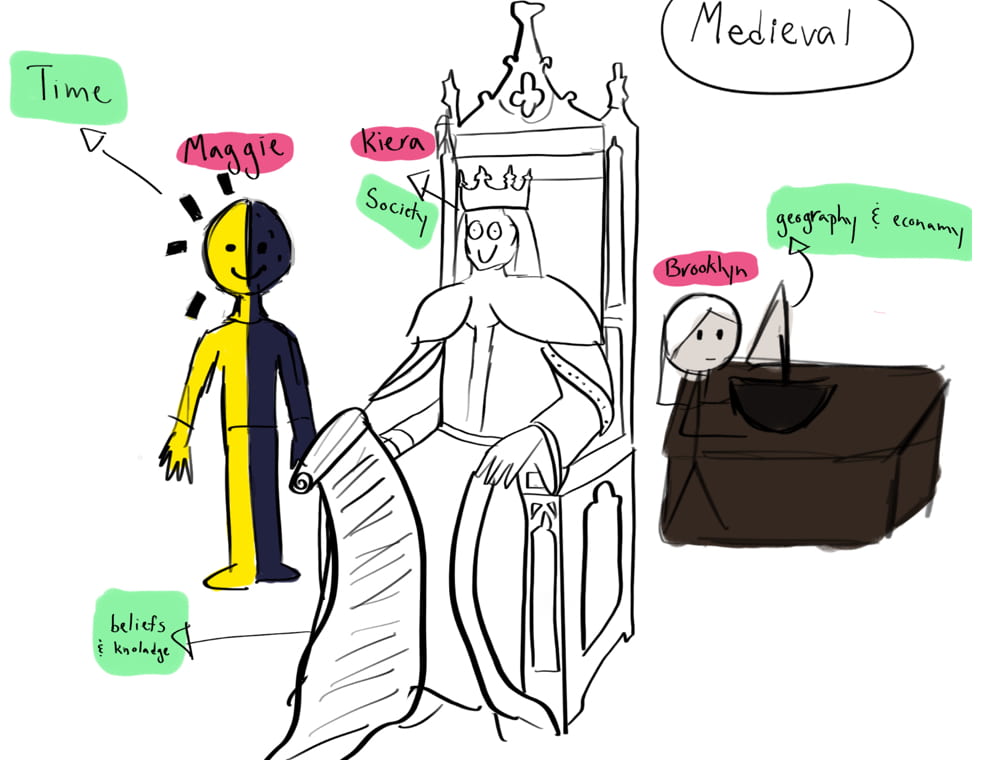
To get a better understanding of how our triptych was going to play out every group needed to make a digital version of what it was going to look like. Below is my groups digital version. 

This was our final digital version. We sketched drafts before hand. I will show these below. 


The Process We Went Through


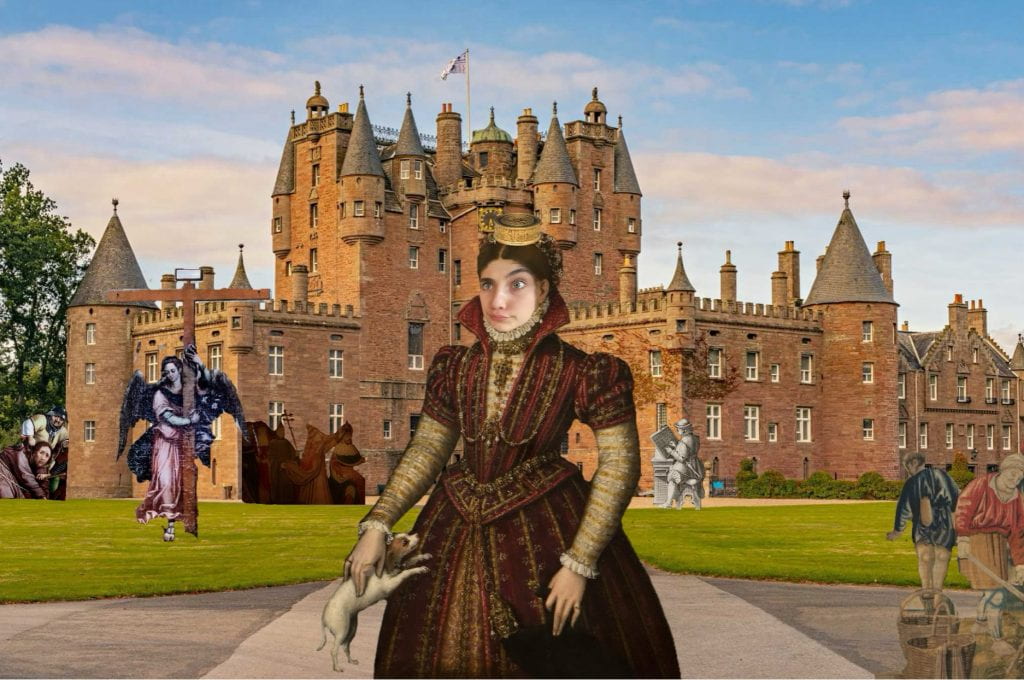
The triptych we strived to make was of the medieval times, Renaissance era and contemporary, or modern. At the start of this project all we were doing was learning about Medieval Times as well as the Renaissance and contemporary eras, which was actually a lot of work. I should probably tell you before we continue though, the triptych we made was not the ordinary triptych you may see. Instead of a painting or carving, WE were in the triptych. Pretty cool, huh? 


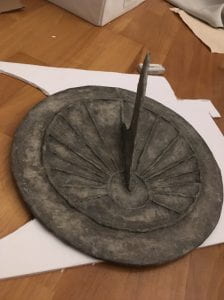
As an audience member it may have seemed like a simple task to do this, but let me tell you, it was not! This is one of the reasons everyone was put into groups. Below are some of the photos of props we made.    


Here is a small video o

IMG_3983


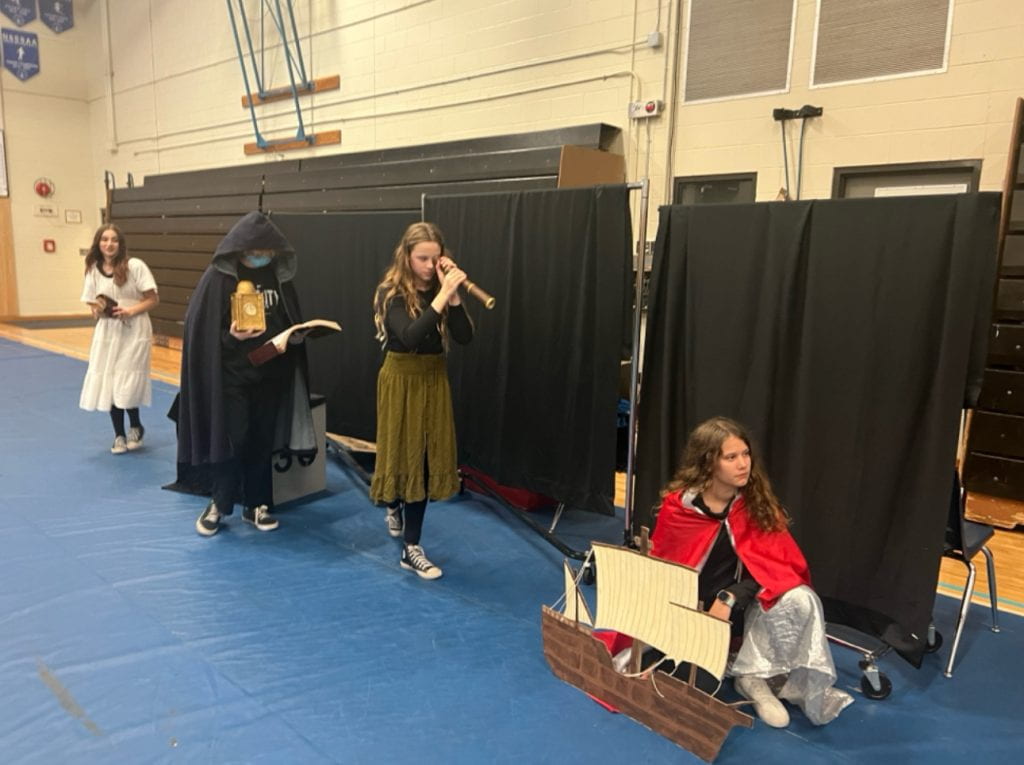
Of course, like anyone else we ran through some problems but as a group we worked through them! There was a speaker for each scene and while the speaker was explaining what the said scene was about, for example the Medieval Times, the rest of the group members would be behind a certain changing into clothes that represent Medieval Times as well as incorporating props that we made into the triptych.


Photos and Videos of How the Exhibition Went! 


At the exhibition all of our hard worked finally payed off. If you didn’t already know, as a grade 8 PLP student, this is our first exhibition so everything about this is new to me and my classmates. Although as this school year progresses I will continue to learn new things and grow not just as a PLP, student but as a person.


My Power Play Post & How This Project Built on 

If you would like to check out my power play post, click on the link below.

https://www.blog44.ca/brooklynw/2023/11/26/the-story-behind-my-artwork/


Radical Innovation and How it’s Going has build on our previous power play project in many ways. For instance, learning about history and its societal impact throughout time allows me to gain a broader perspective on my current worldview. I gained a greater understanding on how the people in the Renaissance and Medieval times functioned in their everyday lives. For example, a lot of decisions were made off of their economical status. In addition, it was a time of patriarchy, where men were always or often the leaders and felt their opinions outweighed that of a woman. Lastly, The Medieval part of the triptych became part of the overall triptych, which I showed earlier in this post.

The Driving Question

The Driving question for project is “What can we learn from the past and why does that matter to us today?” Within this project I have gained a greater understanding of how learning from the past applies to us today. For example I’ve learned the importance of art, science and literature which has made a lasting impact on our society today. In addition to this, throughout this assessment I have become more aware of how lucky I am to live in this society and be surrounded by all these wonderful people.


My Renaissance Photos and Paragraphs + Improvements From my Drafts 

The first Renaissance photo is not revised, while the second is.


Not Revised 


Revised


Original Renaissance Photo 


Improved Renaissance Photo


Group Members Blogs

I will link my group members blogs below if you’d like to check them out!

https://www.blog44.ca/milainac/

https://www.blog44.ca/kieral/

https://www.blog44.ca/maggiet/

https://www.blog44.ca/oliverf/

Conclusion 

In  conclusion, this project was a LOT of work, but it was worth it! I learned so much about the Medieval, Renaissance and contemporary eras as well as how to get better at working in groups. It was an amazing experience and opportunity, I look forward to doing similar projects.


Skip to toolbar